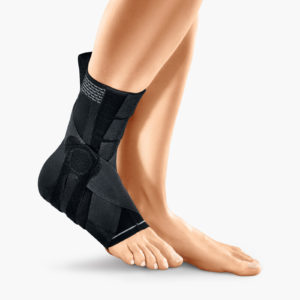

Foot drop, also known as drop foot, is a condition that makes it difficult to lift the front part of your foot, often causing your toes to drag as you walk. This can affect your mobility and gait, resulting from weakness or paralysis in the muscles responsible for lifting the foot. It’s linked to various underlying issues, including neurological conditions, muscular disorders, or anatomical problems, and can be temporary or long-term (chronic).
Foot drop can be effectively managed through lifestyle modifications and targeted treatments. Treatment depends on its cause but often includes physical therapy, nerve stimulation, or surgery. One of the most effective solutions is bracing, such as a foot drop brace, foot drop splint, or ankle support for drop foot, which provides essential support and stability to improve walking while reducing the risk of tripping or falling. These modern foot supports for drop foot are designed to lift the foot with every step, aiding in the effective management of the condition. Lightweight and comfortable, they allow you to move with greater ease and confidence.
Foot Drop can arise from several different causes, broadly categorised into neurological, muscular, and anatomical issues:
Neurological Causes:
Muscular Causes:
Anatomical Causes:
Common Causes of Foot Drop:
Less Common Causes of Foot Drop:
Foot drop may improve with proper treatment, including physical therapy, orthotics, and in some cases, surgery. However, recovery depends on the underlying cause, and in some instances, the condition may be permanent.
By addressing the root cause and seeking timely medical advice, individuals with foot drop can explore treatments that improve mobility and quality of life.
For more information, visit Patient.info.
The prevalence of foot drop varies depending on the underlying cause. However, certain statistics highlight the significance of this condition:
Solutions for Foot Drop Managing foot drop requires a multifaceted approach, tailored to the individual’s specific condition and needs.
https://www.mayoclinic.org/diseases-conditions/foot-drop/diagnosis-treatment/drc-20372633
Physiotherapy: How Exercises Can Help with Foot Drop
Physiotherapy can help strengthen and stretch the muscles in your leg and foot. Regular exercises play a key role in managing foot drop and improving mobility. Strengthening your leg muscles supports the range of motion in your knee and ankle, both of which are essential for smoother, more natural movement. These exercises can also help correct gait abnormalities commonly associated with foot drop, making walking more stable and comfortable.
Stretching exercises are particularly beneficial. They help prevent stiffness in the calf muscles and heel, which can otherwise lead to discomfort and further mobility issues. Incorporating these movements into your routine can promote flexibility, reduce muscle tension, and enhance overall movement.
Combining exercises with supportive devices, such as a foot drop brace, foot drop splint, or ankle support for drop foot—can make a significant difference. These types of foot drop support provide additional stability, helping to lift the foot and reduce the risk of tripping. Using foot support for drop foot alongside physiotherapy can support long-term improvement in mobility and independence.
Soft Fabric Braces: A Comfortable and Effective Solution for Foot Drop
For individuals managing foot drop who need support for their feet and ankles, fabric braces, such as supports, wraps or soft orthoses, offer an innovative and comfortable alternative. These devices assist in lifting the foot during movement, which improves gait and enhances balance. Made from soft, breathable materials, they provide flexible yet effective support for drop foot without the rigidity of traditional AFOs (ankle-foot orthoses).
Foot drop splints and braces are designed to wrap snugly around the foot and ankle, featuring adjustable straps that ensure a secure and personalised fit. By applying a consistent upward force, they help reduce toe dragging and minimise the risk of tripping or falling. Lightweight and discreet, they are compatible with most types of footwear, making them a convenient option for everyday use.
Fabric braces offer a combination of comfort and performance, making them an effective support option for foot drop. They facilitate more natural movement, enhance stability, and assist individuals with foot drop in maintaining their independence and confidence in daily activities.
AFO Orthotic Devices: A Reliable Solution for Foot Drop
Ankle Foot Orthoses (AFOs) are effective devices for managing foot drop. These hard-shell braces provide essential support to the foot and ankle, making it easier to lift the foot while walking. AFOs also enhance proprioception, improving your awareness of foot position and movement for better balance and stability.
Widely used by individuals with foot drop, AFOs offer dependable support by providing structural reinforcement and assistance with walking. They are designed to improve walking patterns and reduce the risk of trips and falls. Their effectiveness in promoting a more natural gait makes them a popular choice for those seeking reliable support for foot drop.
Incorporating AFOs into your treatment plan, alongside physiotherapy and other interventions, can help you regain confidence in your steps and significantly enhance your overall quality of life.
Electrical Stimulation: What Is a Functional Electrical Stimulation (FES) Device?
Functional Electrical Stimulation (FES) utilises small electrical impulses to stimulate nerves and muscles, aiding in lifting the foot into a more natural position for walking. An FES device is a compact, card-sized control box equipped with a built-in battery and electrodes designed to assist mobility. For conditions such as foot drop, the device is typically worn in a cuff just below the knee, allowing the electrodes to stimulate the nerve responsible for activating the muscles that lift the front of your foot.
At a specific point in your gait cycle, just before your foot lifts to swing forward, the FES device delivers electrical stimulation to the nerve, gently raising your foot and promoting a more natural and fluid walking pattern. When your foot touches the ground again, the stimulation automatically ceases. Designed for everyday use, FES devices offer continuous support, empowering you to move confidently and independently. This cutting-edge technology enhances mobility and overall quality of life by boosting confidence and facilitating independence in daily activities.
Surgery: Nerve and Tendon Transfer for Foot Drop
If you are experiencing foot drop, the appropriate treatment depends on its cause and the duration of the condition. For cases resulting from nerve damage, nerve transfer surgery can be an effective option. This procedure involves transferring healthy nerves to the affected area, helping to restore muscle control and improve mobility. In instances where foot drop has persisted for a longer period, your doctor may recommend tendon transfer surgery. This procedure involves relocating tendons from stronger muscles to compensate for the weakened ones responsible for lifting the foot, enhancing movement and functionality. It is advisable to consult a specialist to determine the most suitable surgical option for your condition and to explore tailored solutions that meet your needs.